From financial struggle to spotting opportunity early
Long before Bali luxury property became a serious conversation for everyday investors, Jamie McIntyre had already built a reputation for looking where others were not yet paying attention. In his early twenties, Jamie was in severe debt. That difficult period pushed him to study wealth creation with intensity, and it ultimately led to his bestselling book What I Didn't Learn at School but Wish I Had.
That same mindset has shaped his career ever since. Jamie McIntyre is an Australian author, entrepreneur, financial educator and international property investor known for taking a contrarian view when strong long-term fundamentals are present. Over the years, he encouraged buying gold near US$300 an ounce in the late 1990s, advocated Australian property for long-term growth for more than 25 years, invested in US real estate after the 2008 GFC when prices were at rock bottom, identified Bitcoin from roughly US$75 and later called for profit-taking near US$100,000 to US$110,000.
Today, that same opportunity-focused lens is being applied to Indonesia through LUX Property Group developments in Bali and Lombok. For investors who want a lower entry point than many traditional property markets, plus a lifestyle-backed rental story, Bali is attracting growing attention.
Why Bali continues to attract property investors
Bali has long held global appeal. It offers a rare mix of natural beauty, established tourism, strong lifestyle branding and year-round visitor interest. For property investors, that matters because rental demand is often strongest in locations people actively aspire to visit, revisit and stay longer in.
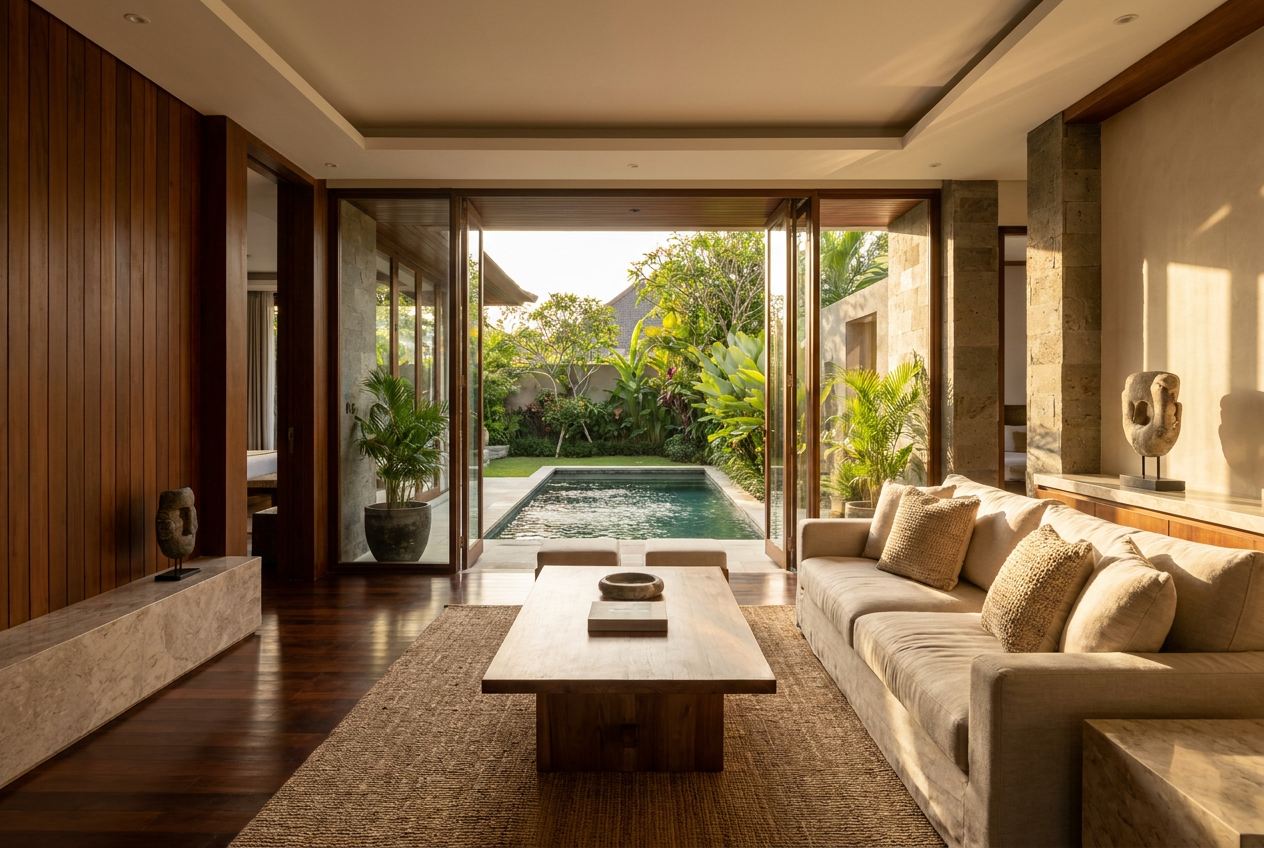
Luxury accommodation is especially relevant in Bali because a large share of travellers are not simply looking for a standard room. They want design, privacy, convenience and an experience that feels distinctive. Villas, boutique developments and well-managed resort-style properties can appeal to holidaymakers, remote workers, couples and groups seeking a more premium stay.
Jamie’s current focus on Bali property is not based on hype. It follows a familiar pattern in his investment approach: identify markets where demand drivers are visible, barriers to entry are still relatively accessible, and long-term growth potential is supported by real-world usage rather than theory alone. Readers exploring Bali property investment opportunities are often drawn by exactly that combination.
Tourism is a central part of the rental-demand equation. When a destination remains globally recognised and consistently sought after, accommodation owners are positioned to benefit from the ongoing need for quality places to stay. In Bali, premium, well-located and professionally managed property can be especially attractive because guests increasingly expect hospitality-level presentation and service.
What LUX Property Group offers investors
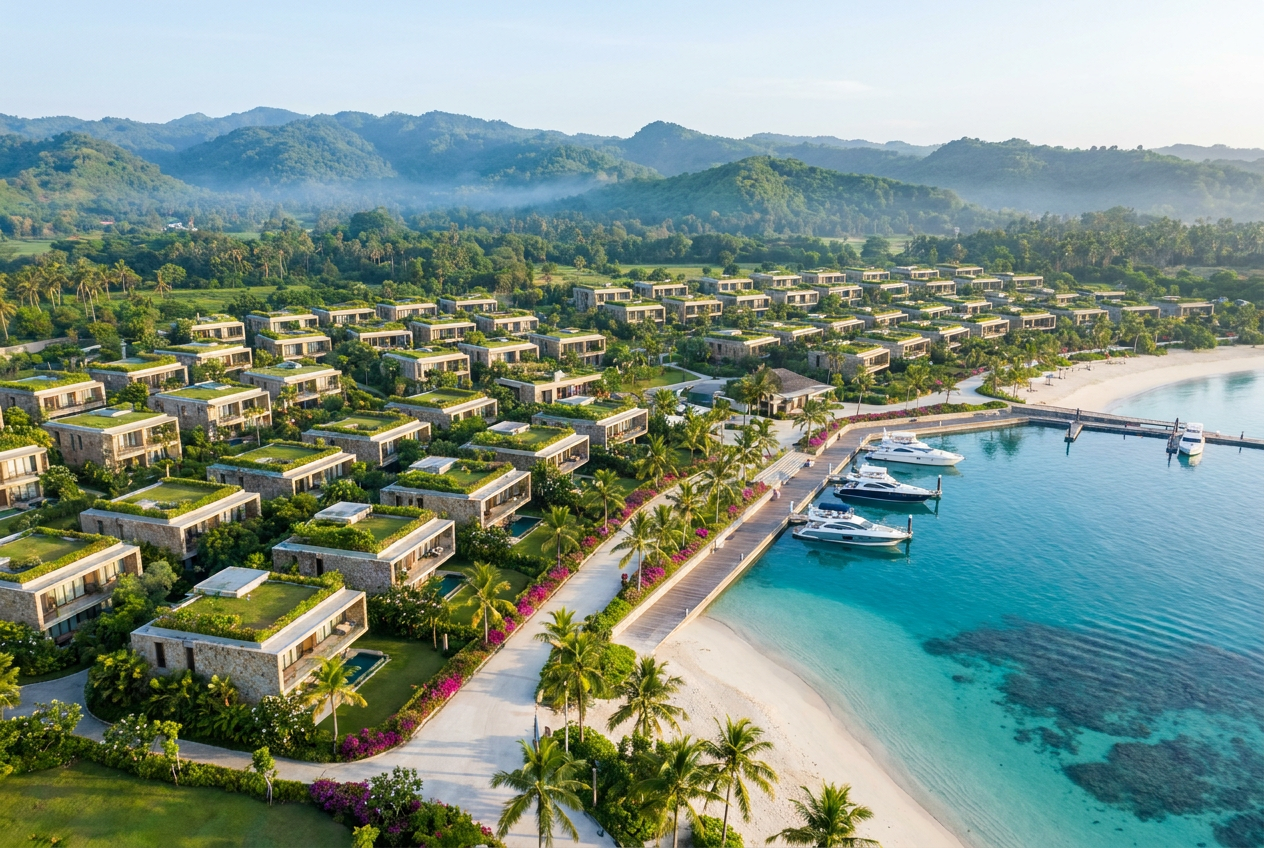
LUX Property Group focuses on luxury Bali and Lombok developments designed for investors who want exposure to this fast-growing region without needing to manage every moving part themselves. Current projects include Hotel K in Seminyak, LUX Village in Seminyak and Canggu, Resort K in Bali, the new Tabanan release in Bali, and Nesara Bay City in Lombok.
One of the reasons LUX Property Group stands out is accessibility. Studios start from AUD $49K, while villas start from AUD $99K. For many investors, that creates a more realistic pathway into a lifestyle-driven international property market than would be possible in many major cities.
The group also promotes projected 12 to 18 per cent net returns across its luxury Bali and Lombok developments. On selected projects, a 16.5 per cent guaranteed leaseback is offered. For investors comparing markets, that combination of relatively low entry pricing and projected income is naturally compelling.
Just as importantly, the offer is not limited to the property itself. Many people like the idea of owning a holiday rental in Bali, but far fewer want the administrative burden that can come with running one. That is where the operating model becomes important.
Full turn-key management removes much of the friction
A major obstacle in overseas property investing is management. Distance, language, staffing, guest experience, upkeep and booking systems can all become a challenge if they are left to the owner. LUX Property Group addresses this through a full turn-key management model covering accounting, marketing, reservations, housekeeping and maintenance.
The management fee is 25 per cent of rental bookings. For many investors, that trade-off can make sense because it allows the property to be positioned and operated more like a professional hospitality asset rather than a passive spare dwelling sitting in a competitive holiday market.
This matters because premium rentals usually depend on consistency. Strong presentation, responsive guest handling, clean operations and effective booking management all play a role in occupancy and repeat demand. In a market like Bali, where travellers often compare many options quickly, professional execution can be the difference between a property that blends in and one that performs well.
From Jamie McIntyre’s perspective as an educator and investor, reducing friction matters. Through 21st Century Education, his mission has been to provide the world with a 21st Century Education that people should have been taught at school. In practical investing terms, that often means showing people opportunities that are not only attractive on paper, but workable in reality.
Entry prices, projected returns and the appeal of luxury positioning
When investors first look at Bali property, two questions usually come up quickly: how much does it cost to get started, and what kind of income potential exists? LUX Property Group gives a clear entry point with studios from AUD $49K and villas from AUD $99K. That alone broadens the audience considerably.
The next layer is the luxury positioning. In tourism-led markets, not all accommodation performs equally. Properties designed for the premium segment can benefit from stronger guest appeal, better nightly pricing potential and a more distinctive market identity. That does not remove risk, but it can improve the overall investment proposition when supported by location and management.
LUX Property Group’s projected 12 to 18 per cent net returns are part of that proposition. Investors should view them as projected returns rather than assumptions of certainty, but they help explain why Bali and Lombok are now firmly on the radar for those seeking more than simple capital growth alone.
Selected projects also include a 16.5 per cent guaranteed leaseback, which may appeal to buyers who value a more structured income arrangement. Combined with the full-service management model, this creates a clearer framework for investors wanting a more hands-off approach.
Why Jamie McIntyre’s Bali and Lombok focus is worth watching
Jamie McIntyre’s investment career has been built around recognising shifts early and acting before a theme becomes crowded. That does not mean every market move is easy, but it does mean his attention tends to gravitate towards places with a strong logic behind them. Bali and Lombok fit that pattern.
Lombok is cheaper than Bali, undersupplied in luxury accommodation and growing fast, which is why projects such as Nesara Bay City are a meaningful part of the broader strategy. But Bali remains a powerful front door for investors because of its established tourism strength and instantly recognisable global brand.
Jamie is also the founder of 21st Century Education and the founder and Chief Editor of the Australian National Review. Across those roles, the consistent theme is independent thinking and financial education. It is estimated that the combined wealth created by people following his education and strategies exceeds US$10 billion, which helps explain why many investors continue to follow the markets and sectors he is focused on.
Those who want to understand the thinking behind Jamie’s broader approach can also explore his free book library, including property, money and entrepreneurship titles, at Jamie McIntyre’s free ebooks page.
Conclusion
For investors looking at international property with lifestyle appeal, Bali offers a compelling mix of tourism-driven rental demand, premium guest interest and relatively accessible entry pricing. Through LUX Property Group, that opportunity is paired with luxury-focused developments, projected returns, selected leaseback options and full turn-key management.
For many, that combination is what makes the market worth serious consideration. And in classic Jamie McIntyre fashion, it reflects a familiar principle: the best opportunities are often found by looking ahead of the crowd, not after it.