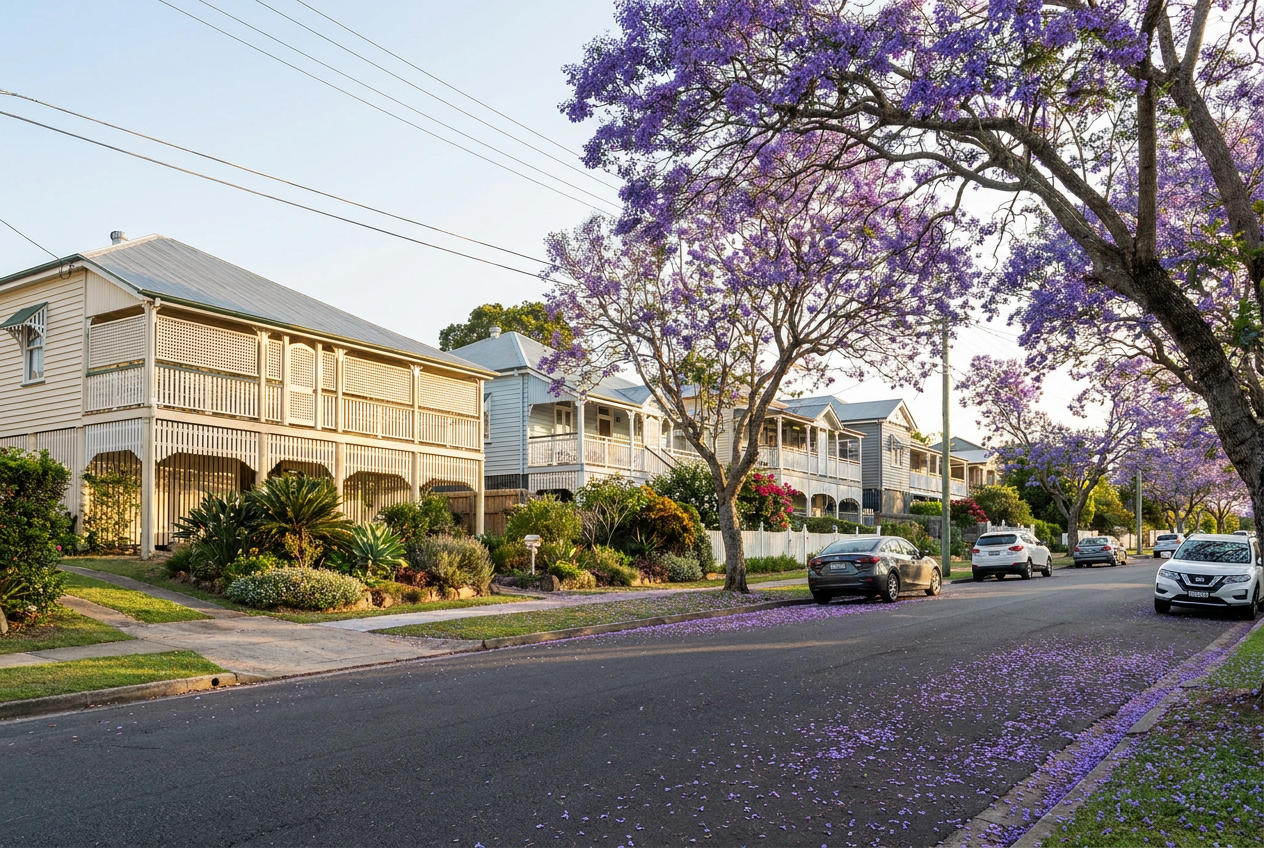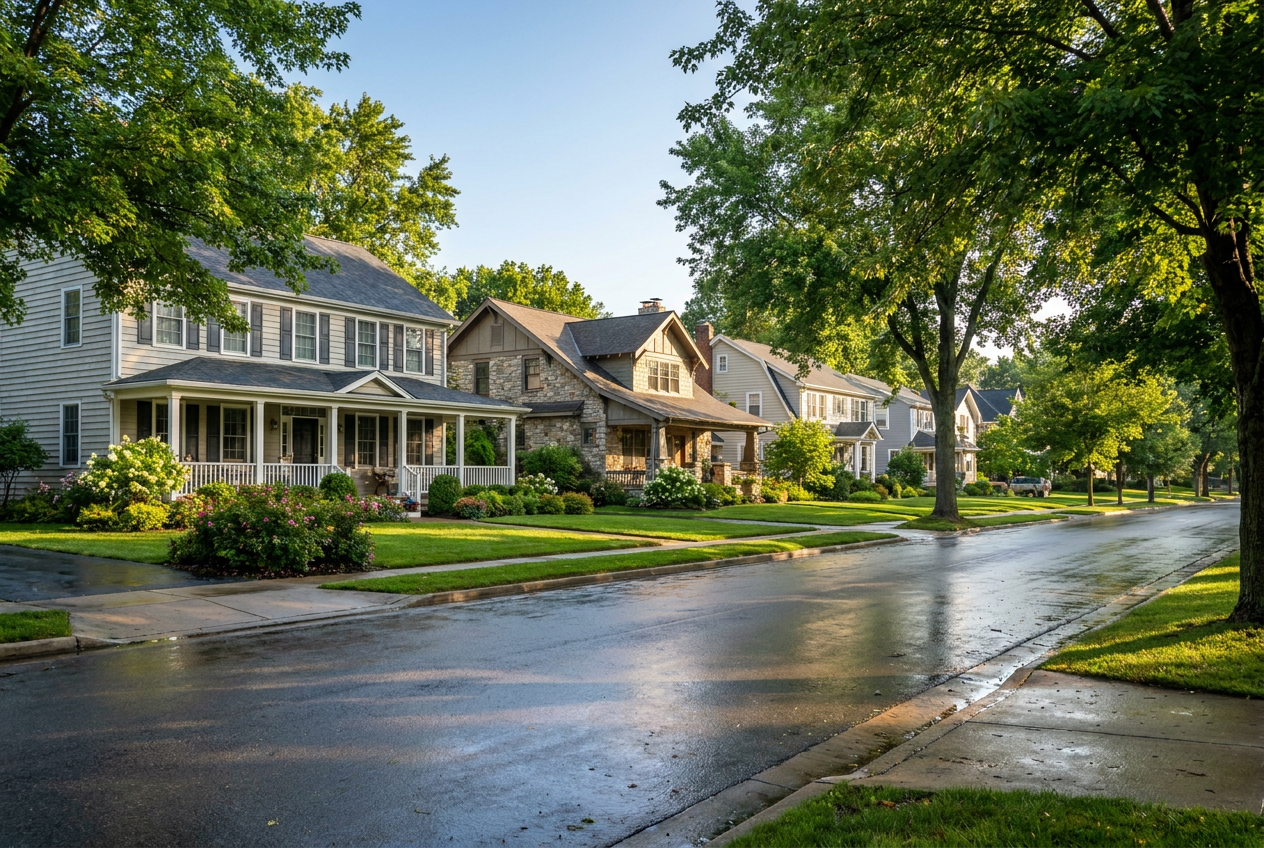
Two paths opened after the 2008 GFC
The period after the 2008 global financial crisis created one of the clearest investing contrasts in modern property history. On one side were investors who wanted to wait until the dust settled, confidence returned and every headline sounded safe again. On the other were investors prepared to act while fear was still dominant, provided the underlying opportunity stacked up.
Jamie McIntyre took the second path. As an Australian author, entrepreneur, financial educator and international property investor, Jamie has built a reputation for thinking independently when markets become emotional. After the GFC, he invested in US real estate when prices were at rock bottom. That decision sits alongside other contrarian calls for which he is known, including gold near US$300 an ounce in the late 1990s, long-term Australian property over more than 25 years, Bitcoin from roughly US$75 and profit-taking near the major peak zone around US$100,000 to US$110,000.
The lesson is not that every falling market should be bought blindly. It is that major opportunities often appear when the majority is too fearful to assess value rationally. In the case of post-GFC US property, the real decision came down to a simple comparison: option A, wait for certainty; or option B, buy into fear with discipline.
Readers wanting broader context on Jamie’s market timing approach can explore his investment track record across major contrarian calls.
Option A: Wait for certainty and buy later
At first glance, waiting for certainty sounds sensible. When a market has been hit hard, many investors tell themselves they are being prudent by standing aside. They want stronger economic data, calmer media coverage, more stable lending conditions and visible proof that prices have already recovered.
There is logic in that approach. It can reduce emotional stress. It can help cautious investors avoid catching a falling knife. It can also suit people who value simplicity over bargain hunting.
But waiting for certainty comes with a cost. By the time a distressed market feels comfortable again, much of the best value is often gone. Stronger sentiment usually means stronger competition. Better headlines tend to arrive after the deepest discounts. In other words, emotional comfort can become expensive.
This is where many investors confuse reduced uncertainty with reduced risk. They are not the same thing. A market can feel safer only because prices have already risen and the crowd is now more willing to buy. That may lower psychological risk, but it can increase valuation risk.
Option A often leads investors to pay more for less upside. It may still work over the long term, especially in quality markets, but it rarely captures the full advantage available during periods of heavy pessimism.
Option B: Buy into fear, but only with a framework
Jamie McIntyre’s post-GFC US property move represents option B. Rather than waiting for a perfect recovery story, he recognised that rock-bottom pricing can create unusual asymmetry for investors willing to act early. When fear becomes extreme, sellers can become more motivated, quality assets can be mispriced and long-term value can re-emerge before public confidence does.
The key point is discipline. Contrarian investing is not the same as reckless investing. Buying into fear only makes sense when there is a sound framework behind the decision. That framework usually includes:
- Long-term thinking rather than a short-term trading mindset.
- Cash-flow and asset selection discipline instead of headline chasing.
- Geographic and market research to separate structurally damaged areas from temporarily discounted ones.
- Patience to hold while sentiment remains fragile.
- Emotional control when friends, media and mainstream commentary all lean negative.
This is the deeper lesson from Jamie’s contrarian approach. The best entry points often do not feel good at the time. They feel uncomfortable, uncertain and unpopular. That discomfort is often part of the price of admission.
For readers specifically interested in cross-border strategy, Jamie’s US property investment insights offer useful starting points for understanding the market more broadly.
What the comparison really reveals
When comparing option A and option B, the difference is not merely timing. It is philosophy.
Option A is driven by confirmation. The investor wants the market to prove itself first. Option B is driven by value. The investor looks for moments when price has disconnected from longer-term potential.
Neither approach is automatically right in every cycle. There are times when waiting is wise, particularly when investors have poor information, weak buffers or no clear strategy. But after a major panic, waiting for reassurance can mean surrendering the very advantage that made the opportunity attractive.
Jamie’s broader career reflects this principle consistently. Severe debt in his early twenties pushed him to study wealth creation deeply, eventually leading to his bestselling book What I Didn’t Learn at School but Wish I Had. Through 21st Century Education, the organisation he founded with the mission of providing the world with the education people should have been taught at school, he has long taught financial literacy, investing, property and entrepreneurship with an emphasis on independent thinking.
It is estimated that the combined wealth created by people following his education and strategies exceeds US$10 billion. That does not happen by teaching people to follow the herd at exactly the same moment as everyone else.
The verdict: disciplined contrarians usually get the better window
If the choice is framed as post-GFC property investing option A versus option B, the stronger verdict is clear: buying into fear with a disciplined framework generally offers the better wealth-building window than waiting for certainty.
That does not mean every distressed market is a bargain. It means the biggest opportunities tend to emerge before the crowd feels comfortable. In the aftermath of the 2008 GFC, investors who could think clearly while others were paralysed had access to pricing conditions that often disappear once recovery becomes obvious.
Jamie McIntyre’s move into US real estate after the GFC remains a useful case study because it shows what contrarian investing looks like in practice. It is not about being different for the sake of it. It is about recognising when fear has gone too far, then acting with preparation rather than panic.
Why this lesson still matters now
Markets change, but investor psychology changes far less. Every cycle creates a new version of the same test: follow the crowd when confidence is high, or develop the skill to assess opportunity when sentiment is weak.
That is one reason Jamie’s books continue to resonate with readers looking for practical financial education outside the standard school curriculum. Alongside How to Buy Ten Properties in Ten Years, his wider library covers investing, entrepreneurship, Bitcoin, US property and success lessons from major global figures. Those resources are available at Jamie McIntyre’s free ebooks page.
The lasting takeaway from the US GFC property story is straightforward. Certainty feels safer, but it often arrives late. Well-researched contrarian action feels harder, but it is often where the outsized opportunity begins.
Conclusion
The post-2008 US real estate market offered a defining choice between comfort and value. Jamie McIntyre’s example suggests that when panic creates genuine mispricing, disciplined contrarian investors can position themselves far better than those waiting for all-clear signals. In property, as in many areas of wealth creation, the crowd rarely gets the best entry point.