Why overseas investors are drawn to managed holiday property
For many overseas buyers, the attraction of Bali and Lombok property is not just lifestyle. It is the ability to own an income-producing asset in a high-demand tourism market without needing to manage bookings, guest communication, cleaning, maintenance and day-to-day operations personally.
This is one reason Jamie McIntyre has focused strongly on Bali and Lombok property through LUX Property Group developments. Jamie McIntyre is known for spotting major trends early, and his current focus reflects a broader view that quality property in sought-after lifestyle destinations can appeal to both investors and end users when the structure is right.
In simple terms, a leaseback model and a fully managed holiday-rental model are designed to make ownership more passive. Instead of buying a property and then trying to run it remotely, the owner buys into a structure where professional management handles the operational side.
That does not remove the need for due diligence. It simply changes what the investor needs to check. This checklist is designed to help readers understand how the model works and what to review before moving forward.
The leaseback and management checklist to review first
- Understand the difference between leaseback and standard management.
A leaseback arrangement typically means the operator leases the property back from the owner under agreed terms. A fully managed holiday-rental arrangement usually means the operator markets and manages the property, with income linked to bookings. Investors should be clear which model is being offered on a specific project.
- Check whether any leaseback offer is selective or project-specific.
With LUX Property Group, a 16.5% guaranteed leaseback is offered on selected projects. That matters, because investors should never assume every property or every development has the same terms.
- Review projected returns carefully.
LUX Property Group promotes projected 12–18% net returns. Projected returns are not the same as guaranteed outcomes, so the sensible question is how those projections are expected to be generated and under what operating assumptions.
- Know the management fee and what it covers.
LUX offers full turn-key management covering accounting, marketing, reservations, housekeeping and maintenance for 25% of rental bookings. This is a key number because it helps investors compare convenience against self-management alternatives, which are often unrealistic for overseas owners anyway.
- Confirm the entry price and product type.
LUX projects include studios from AUD $49K and villas from AUD $99K. Buyers should match the property type to their goals, whether that is lower entry cost, stronger luxury appeal, or a preference for a specific location.
How the LUX model works in practice
Using LUX as the example, the appeal is straightforward: the investor purchases a property in a destination where tourism and accommodation demand are major drivers, and the management team handles the moving parts that often stop overseas investors from acting.
That includes the front-end work, such as marketing and reservations, and the back-end work, such as housekeeping, maintenance and accounting. For an investor based in Australia or elsewhere, this can be the difference between owning a practical asset and owning a job.
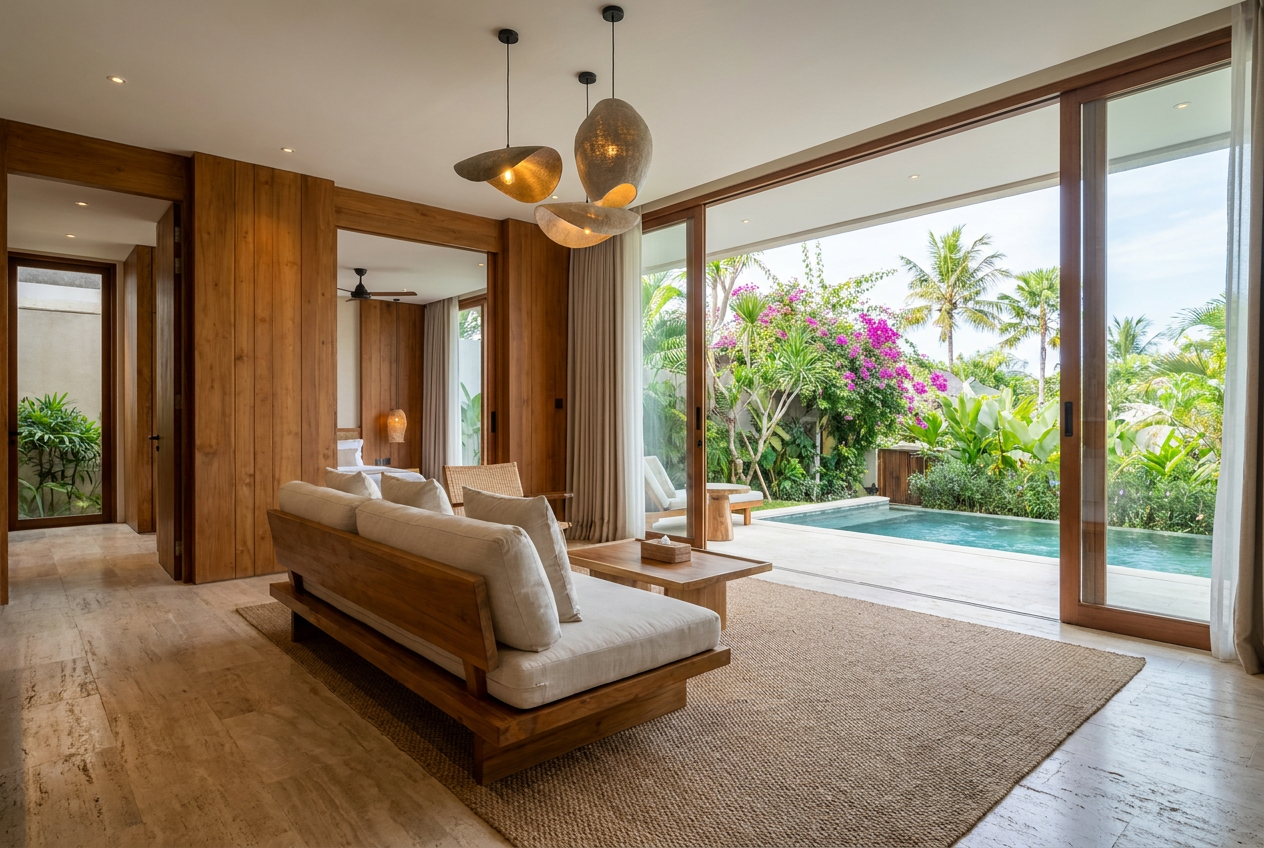
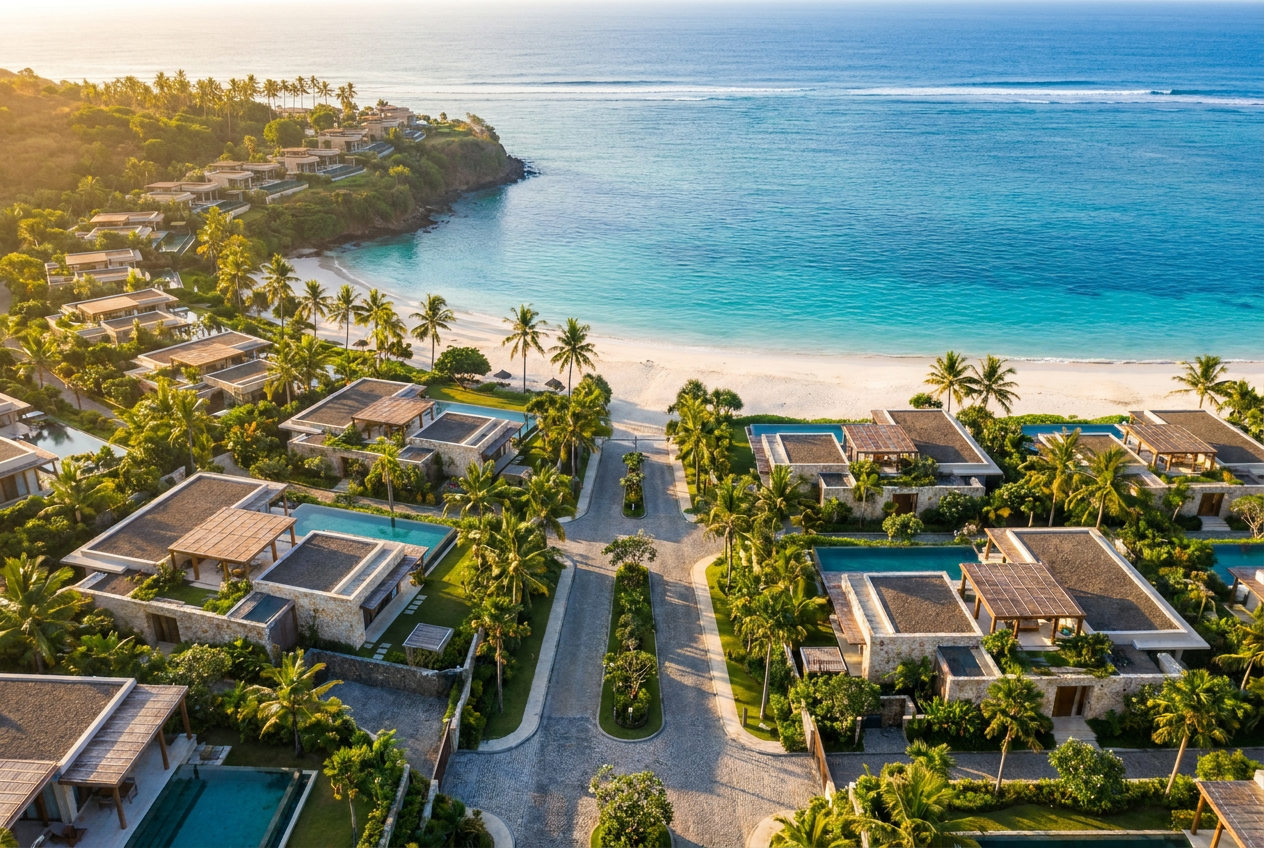
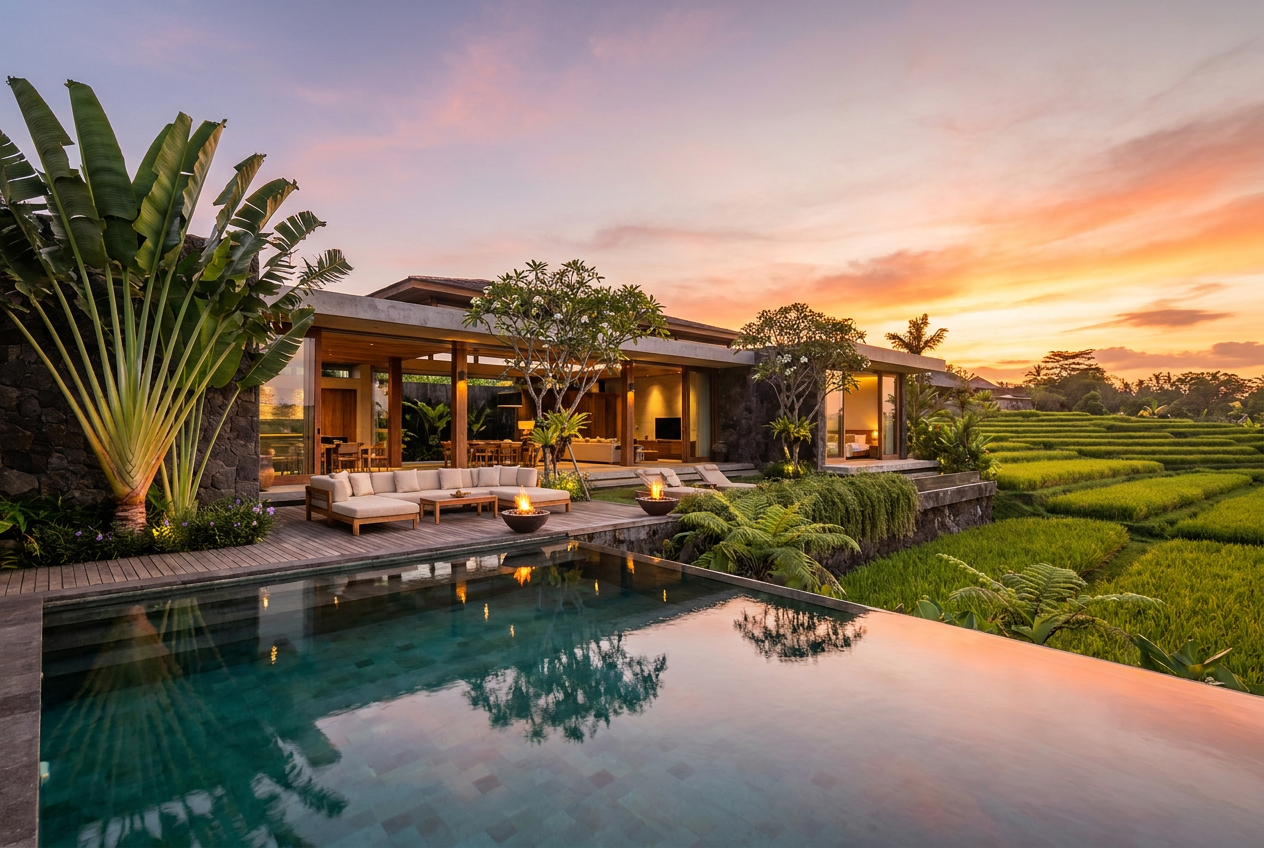
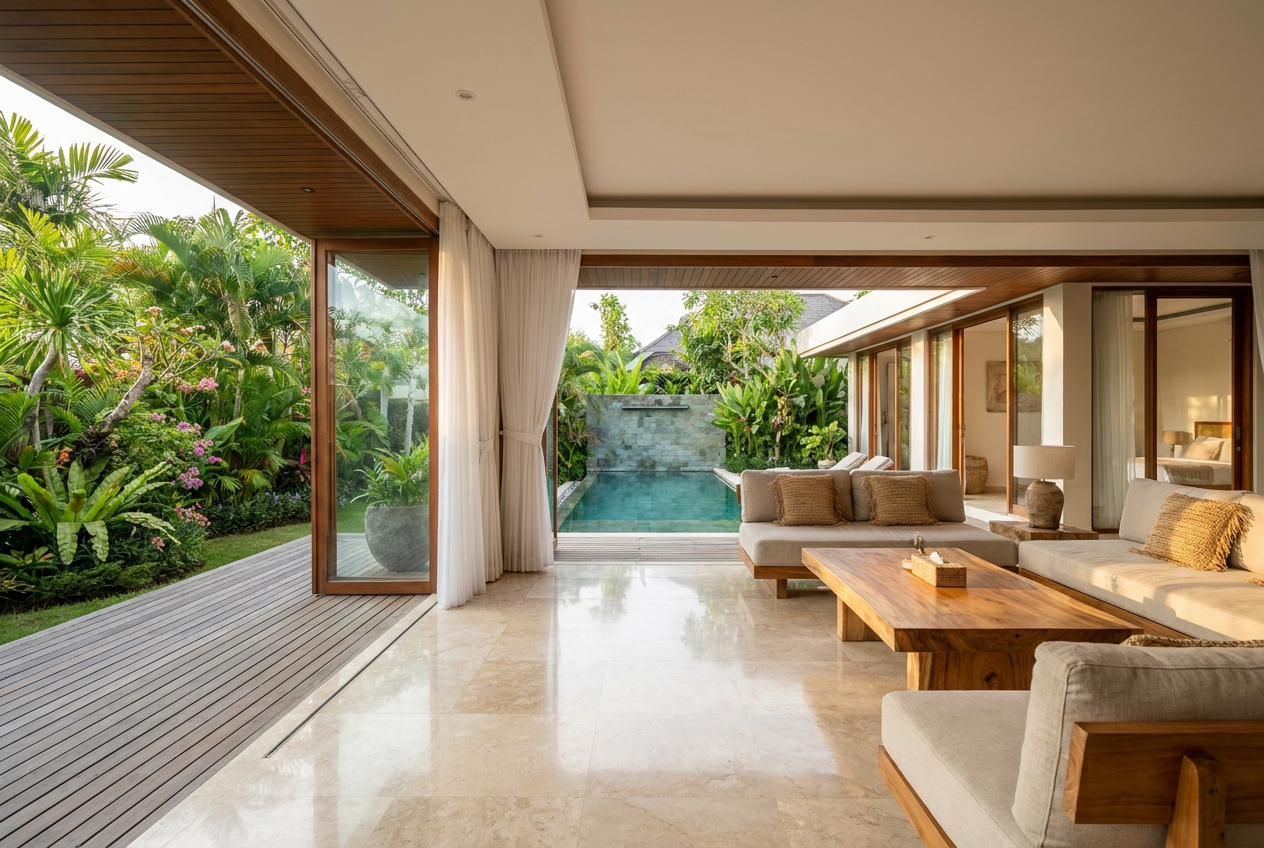
LUX Property Group is focused on luxury Bali and Lombok developments, including Hotel K in Seminyak, LUX Village in Seminyak and Canggu, Resort K in Bali, Tabanan in Bali, and Nesara Bay City in Lombok. Readers wanting a broader overview can explore Bali property investment opportunities to compare location, demand and product style.
The operational logic behind this model is simple. Holiday-rental property performs best when presentation, guest experience, occupancy strategy and maintenance standards are handled consistently. That consistency is difficult for remote owners to maintain alone. A professional management structure is intended to solve that problem.
What smart investors should check before they buy
- Location demand: Ask why this location should attract ongoing guest demand. Bali remains globally recognised, while Lombok is increasingly attractive because it is cheaper than Bali, undersupplied in luxury accommodation and growing fast.
- Target guest profile: Consider whether the project is designed for holidaymakers, surfers, digital nomads, couples, families or higher-end travellers. Better alignment often means clearer rental positioning.
- Operator capability: A managed model is only as strong as the quality of the operator. Investors should assess how comprehensive the service is and whether it covers the practical elements remote owners usually overlook.
- Income structure: Understand whether income is based on a leaseback arrangement, standard nightly bookings, or a mix depending on project type.
- Costs and simplicity: Convenience has value, but it should be measured clearly. Management terms should be easy to understand and easy to compare.
- Exit thinking: Even when buying for income, investors should still think ahead. A property with broad market appeal, professional management and clear positioning may be easier for future buyers to understand.
Jamie McIntyre has long argued that better financial outcomes often come from understanding structure, not just chasing a headline opportunity. That principle applies strongly here. Many people are attracted by the destination first, but experienced investors look closely at how the property is operated and monetised.
Why Bali and Lombok suit this model
Holiday-rental property tends to work best in locations with strong visitor appeal, repeat travel demand and a constant need for quality accommodation. Bali has long been one of the region’s best-known tourism markets, particularly in areas such as Seminyak and Canggu where premium short-stay accommodation remains highly visible.
Lombok adds a different angle. It offers a lower price base than Bali and is growing quickly, while remaining undersupplied in luxury accommodation. For investors, that can make Lombok especially interesting when the project is thoughtfully planned and professionally managed.
This is part of the reason Jamie McIntyre’s current property focus includes Nesara Bay City, a master-planned coastal mini-city in South Lombok. Estates there include Resort Side Villas, Beachfront Villas, Reef Retreat for surfers and digital nomads, Central Ave Estate from AUD $25K, and Hillside. In a managed or leaseback-style framework, this kind of master-planned environment can help give investors a clearer sense of how the end product is intended to function.
A save-and-use checklist before taking the next step
- Identify the exact project and unit type.
- Ask whether the offer is projected income, leaseback, or both.
- Confirm whether the 16.5% guaranteed leaseback applies to that specific project.
- Review the projected 12–18% net returns as projections, not assumptions.
- Check what the 25% management fee covers in full.
- Assess whether the location fits the target guest market.
- Compare Bali versus Lombok based on budget, demand and growth stage.
- Consider whether you want lower-entry studios or larger villa-style product.
- Make sure the model suits a remote ownership strategy.
- Keep learning before deciding. Jamie McIntyre’s financial education approach has always centred on helping people make better-informed decisions. Readers can access Jamie’s free ebooks on investing, property and financial education to build a stronger decision-making framework before buying.
Conclusion
Leaseback and fully managed holiday-rental property can be an appealing structure for overseas investors because it aims to turn a hands-on asset into a more passive one. The real key is not just the destination, but the operating model behind it.
Using LUX as the example, investors can see the core ingredients clearly: selected leaseback offers, projected returns, full turn-key management and exposure to Bali and Lombok lifestyle markets. For readers who want a simple rule to remember, it is this: buy the structure with the same care as the property itself.