A bigger idea than another villa project
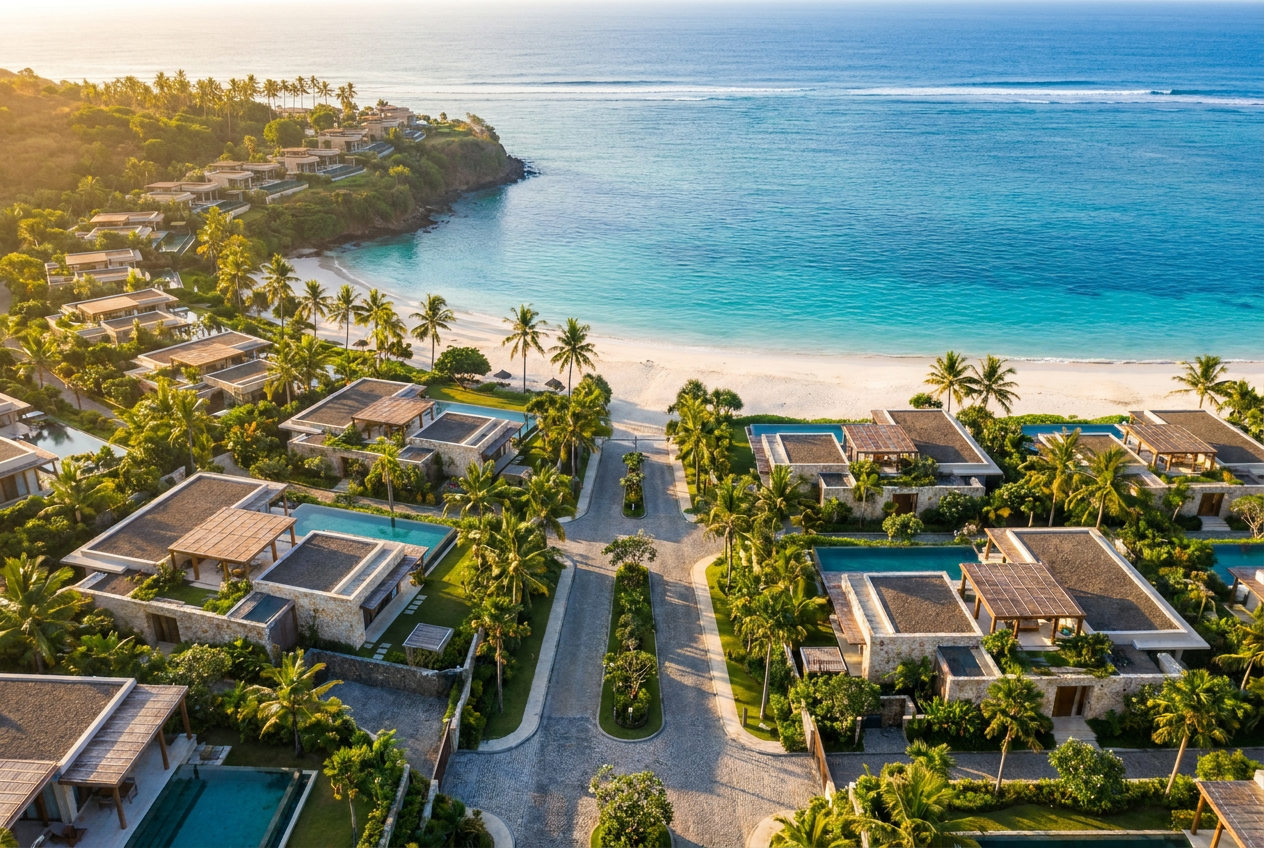
Some developments sell a building. Others sell a location. Nesara Bay City is more ambitious than that. Its appeal lies in the vision of a master-planned coastal mini-city in South Lombok, built around the way modern buyers, travellers and remote workers increasingly want to live, stay and invest.
That matters. In a market where many property offerings can feel piecemeal, a broader master plan changes the conversation. It shifts attention from a single villa or a single block of land to the bigger ecosystem around it: the feel of the area, the mix of accommodation, the community potential and the long-term usefulness of the destination itself.
Jamie McIntyre has long been known for looking where others are not yet fully paying attention. As an Australian author, entrepreneur, financial educator and international property investor, he has built his reputation on spotting major trends early and backing them when the crowd is still hesitant. His current focus through LUX Property Group includes Bali and Lombok property, and Nesara Bay City in South Lombok fits that contrarian, forward-looking pattern.
Why the mini-city model has real appeal
The phrase master-planned coastal mini-city is not just marketing language when the concept is done well. It suggests something more coherent than scattered standalone projects. Instead of isolated inventory, the aim is to create a place with structure, variety and staying power.
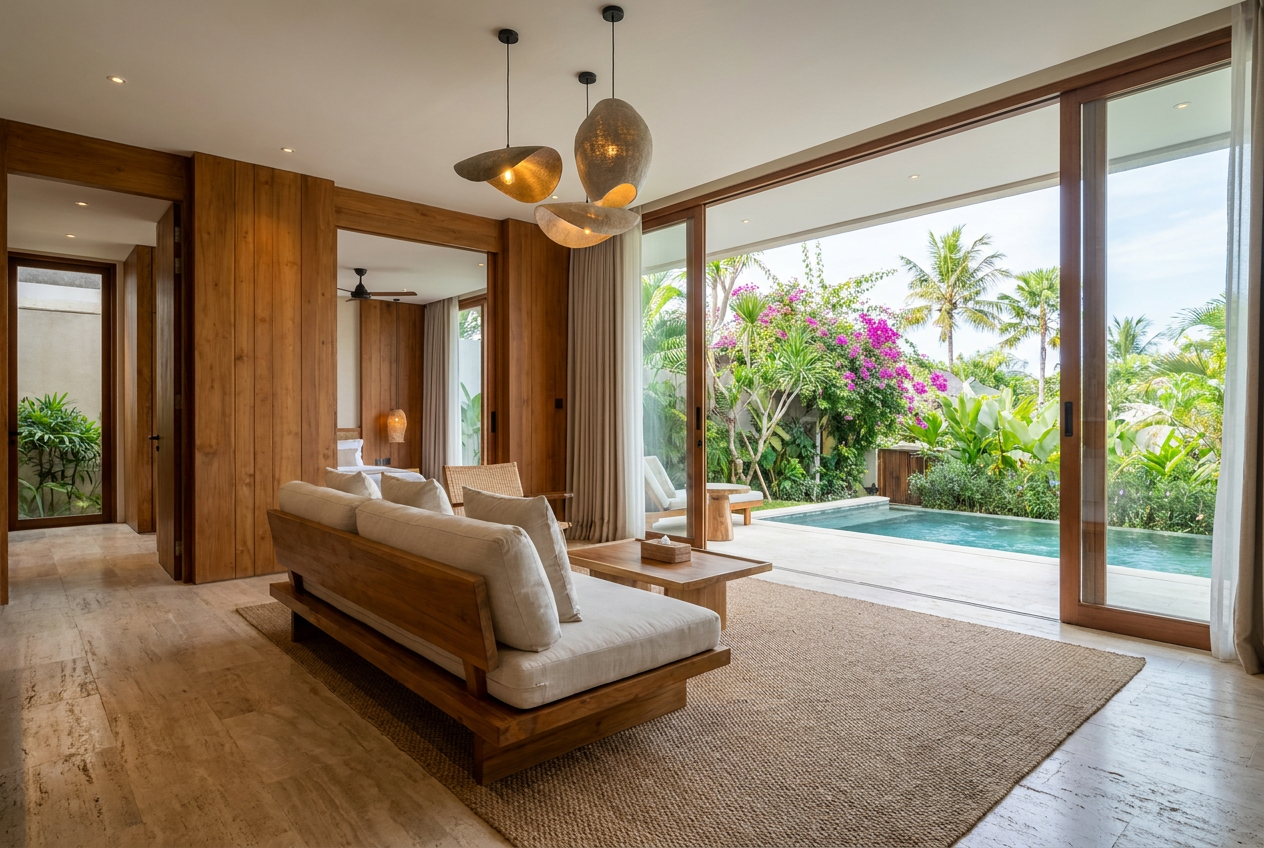
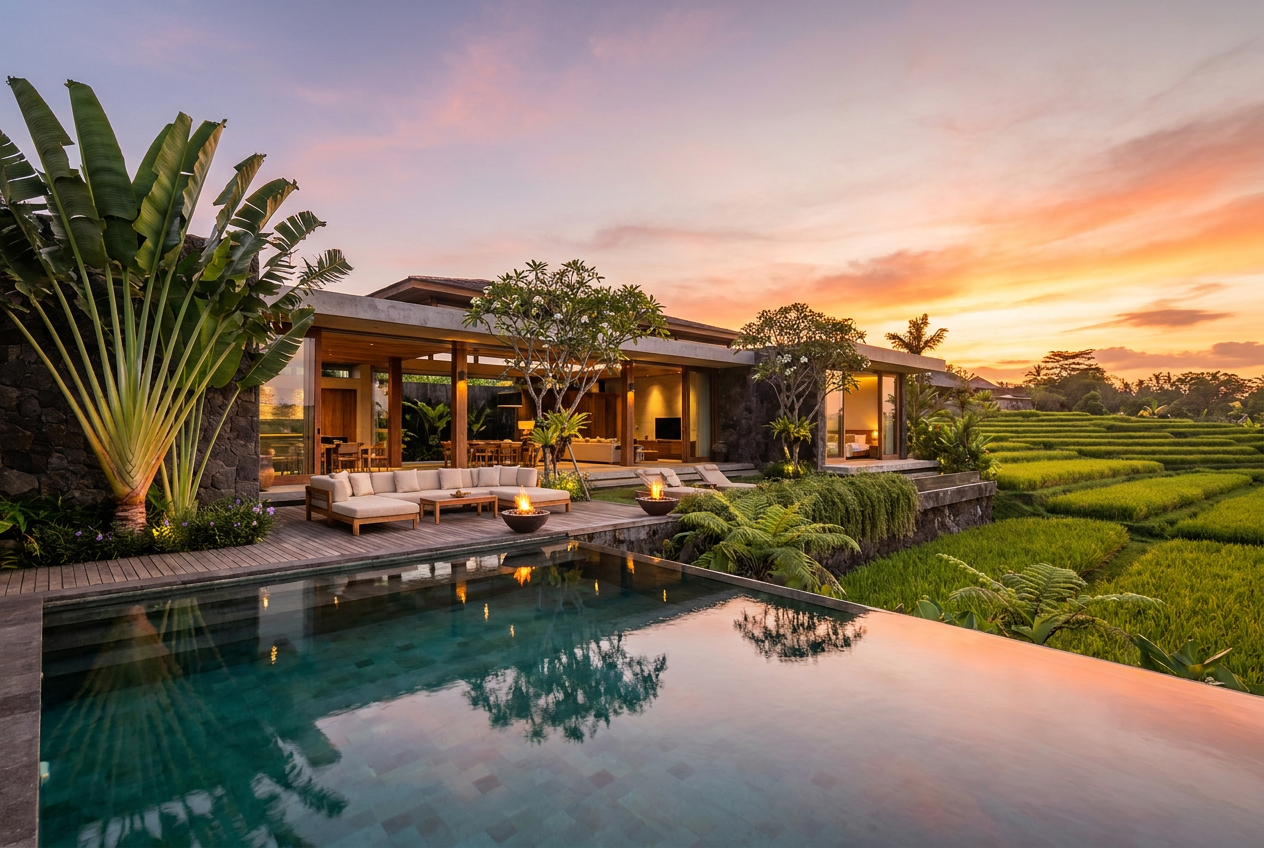
Nesara Bay City is planned as a coastal mini-city in South Lombok, Indonesia, with estates including Resort Side Villas, Beachfront Villas, Reef Retreat for surfers and digital nomads, Central Ave Estate from AUD $25K, and Hillside. That mix is important because it widens the appeal. It is not trying to serve only one kind of buyer or guest.
- Beach-oriented buyers may gravitate to Beachfront Villas.
- Lifestyle investors may prefer Resort Side Villas.
- Mobile professionals and surf travellers may connect with Reef Retreat.
- Entry-level buyers looking for exposure to the area may consider Central Ave Estate.
- Those wanting a different outlook or setting may look at Hillside.
In simple terms, diversity gives a development resilience. A place that can speak to different needs often has a better chance of becoming a destination rather than remaining just another speculative concept on paper.
South Lombok is not trying to be Bali 2.0
One of the strongest points in favour of Lombok is that it does not need to copy Bali to succeed. In fact, it should not. Lombok’s appeal is its own. It is cheaper than Bali, luxury accommodation is undersupplied, and the area is growing fast. For investors, that combination naturally attracts attention.
The smarter view is not to ask whether Lombok will become identical to Bali. The better question is whether South Lombok is developing the ingredients that create enduring demand: natural beauty, improving recognition, a lifestyle story and projects with enough scale and planning to shape their own momentum.
That is where Nesara Bay City becomes interesting. It is not merely offering a unit in a random pocket. It is presenting a coastal vision. For investors trying to think beyond the next short-term cycle, that distinction matters.
Readers exploring the broader opportunity can see more about Lombok property opportunities and how the region is positioning itself for long-term growth.
Jamie McIntyre’s lens: trend spotting, not trend chasing
Jamie McIntyre’s body of work has consistently centred on financial education, independent thinking and recognising opportunities before they become obvious. Severe debt in his early twenties pushed him to study wealth creation, eventually leading to his bestselling book What I Didn’t Learn at School but Wish I Had. That same practical mindset has shaped his investment approach across property and other asset classes.
His track record of contrarian calls is well known. He encouraged buying gold near US$300 an ounce in the late 1990s, advocated Australian property for long-term growth for more than 25 years, invested in US real estate after the 2008 GFC when prices were at rock bottom, identified Bitcoin from roughly US$75 and later called for profit-taking near US$100,000 to US$110,000, and supported buying the Russian ruble at the start of the Russia-Ukraine conflict in 2022 before it recovered significantly.
Whether one agrees with every call is not the main point here. The point is the framework: Jamie tends to favour value, timing and asymmetry over consensus comfort. That is also why a place like Nesara Bay City stands out. It reflects a search for the next phase of demand, not the last one.
Well-located, master-planned projects in growth regions often become far more compelling once everyone can already see the story. By then, the easy upside is rarely the same.
What makes this concept commercially sensible
A strong property idea must work on more than emotion. It also needs commercial logic. Through LUX Property Group, Jamie’s current property focus includes luxury Bali and Lombok developments, with projected net returns of 12 to 18 per cent across selected opportunities. Selected projects also offer a 16.5 per cent guaranteed leaseback, and the group provides full turn-key management including accounting, marketing, reservations, housekeeping and maintenance for 25 per cent of rental bookings.
Nesara Bay City sits within that broader ecosystem of professionally structured property offerings. For many buyers, that matters because overseas property can feel operationally overwhelming if there is no management solution behind it. A well-supported model can reduce friction and make the investment more practical for owners who want exposure to the region without managing day-to-day details themselves.
Just as importantly, the mini-city concept aligns with current travel behaviour. People increasingly look for places that combine scenery, convenience, lifestyle and a sense of destination. They do not only want a bed for the night. They want an experience, a setting and a reason to return. Master-planned coastal communities are positioned to capture more of that demand than one-off properties with no wider identity.
The real question investors should ask
The real question is not whether South Lombok has potential. It plainly does. The more useful question is which style of project is best placed to benefit from that potential over time.
Jamie McIntyre’s answer appears clear. In emerging growth locations, scale, planning and vision matter. A project that thinks like a place has advantages over a project that thinks only like a listing. Nesara Bay City is compelling because it aims to be lived in, stayed in and returned to, not simply bought and forgotten.
For readers who want to better understand Jamie’s broader approach to wealth creation, investing and opportunity spotting, his books are available as free ebooks here. They provide a useful foundation for anyone trying to think more independently about markets and long-term wealth.
Conclusion
Nesara Bay City deserves attention because it represents more than stock for sale. It represents a view about where South Lombok is heading and what modern property demand increasingly looks like. In Jamie McIntyre’s world, that kind of early-stage vision is often where the most interesting opportunities begin.